importance of self-care
Self-care is an important aspect to preventing burnout among mental health clinicians because it works to maintain mental, emotional, and physical well-being. This is essential for therapist because they often face compassion fatigue and vicarious trauma caused by the intense emotional labor they are exposed to through client interactions. Practicing self-care allows therapists to remain grounded, present, empathetic for their clients. Self-care can also help to prevent professional impairment, which is an ethical responsibility for therapist do to take measures to avoid.
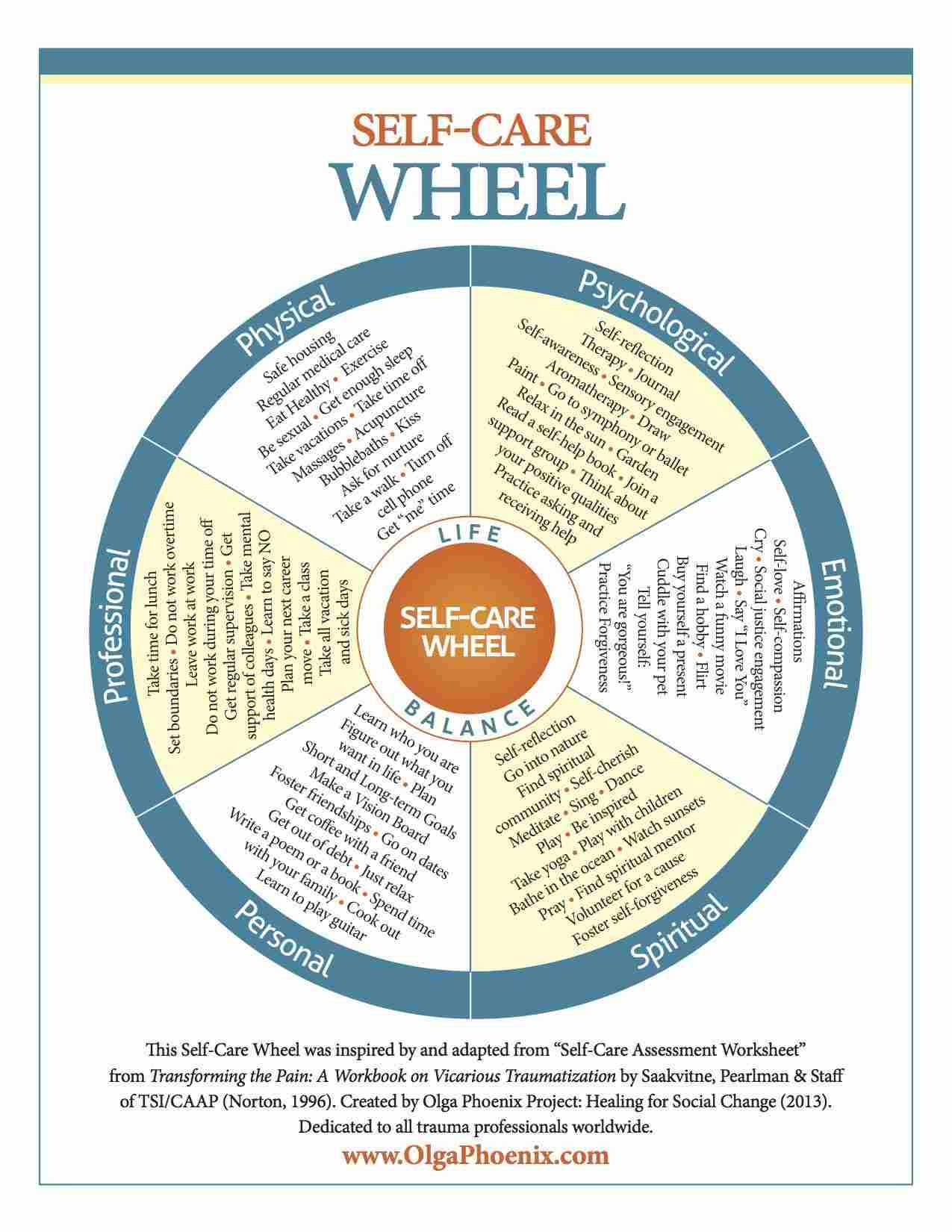
SElf care includes
PHYSICAL
This means taking care of one’s physical health and wellbeing.
Take movement breaks throughout the day
Pack healthy meals for lunch / snacks and stay hydrated
Prioritize 7-8 hours of sleep each time
Take time off
Take vacations
Turn off cellphone for “me” time
SPIRITUAL
Go into nature
Find a spiritual community
Yoga
Listen to music
Watch sunsets or sunrises
PSYCHOLOGICAL
Self-reflection
Seeking personal therapy
Read self-help books
Join a support group
PERSONAL
This means learning about what you want out of your life. Taking intentional, proactive steps to improve and maintain physical, mental, emotional, social, and spiritual health. This could include:
Plan short and long-term goals
Make a vision board
Foster friendships and lean on these social supports
Spend time with family
Cook
EMOTIONAL
This is the intentional practice of nurturing, process, and understanding your feelings. By becoming aware of your feelings it can help to improve mental well-being and resilience. This might include:
Journaling
Affirmations
Find a hobby you enjoy
PROFESSIONAL
This means set boundaries, intentional habits, and systems to maintain ones’s well-being within the workplace and maintain a sustainable work life. This could include:
Set boundaries around work communication such as email
Set a maximum number of clients per day
Leave a few minute break in-between clients to decompress, process emotions, and for note taking
Don’t work overtime
Seek regular supervision
Self care techniques
Mediate
Go for a walk / spend time outside / exercise
Journal
Be creative
Schedule regular breaks
Identify enjoyable activities or hobbies
Set professional boundaries